An Overview of Northern Cyprus's Economy
Because of its political status, the economy of Northern Cyprus, also known as the Turkish Republic of Northern Cyprus (TRNC), works in a unique way. Only Turkey recognises Northern Cyprus, which has a lot of economic problems, such as not being able to trade directly with other countries and having restrictions on foreign investment. Despite these limitations, Northern Cyprus has developed a resilient economy with key sectors such as tourism, higher education, and real estate contributing significantly to its growth. Northern Cyprus has been able to keep growing steadily, thanks mostly to Turkey. However, it still has a long way to go before it can be more economically self-sufficient and resilient.
1. The economy and the problems it faces
Northern Cyprus can't use international trade and financial systems because it isn't recognised as a country. It can't trade directly with other countries or get money from many foreign businesses, which limits its economic opportunities. Turkey is Northern Cyprus's main economic partner and source of money. It gives money, invests, and makes trade easier. Because of this, the Turkish lira is the official currency, and the economy is very similar to Turkey's.
The service sector makes up about 70% of the economy's GDP, so it is the most important part of the economy. Tourism, higher education, and real estate are important services. Manufacturing and agriculture are smaller parts of the economy, making up about 15% and 10% of GDP, respectively. Some of the problems are high inflation, a need for imports for goods and services, and a need for subsidies from Turkey.
2. Important Parts of the Economy
Travel and tourism
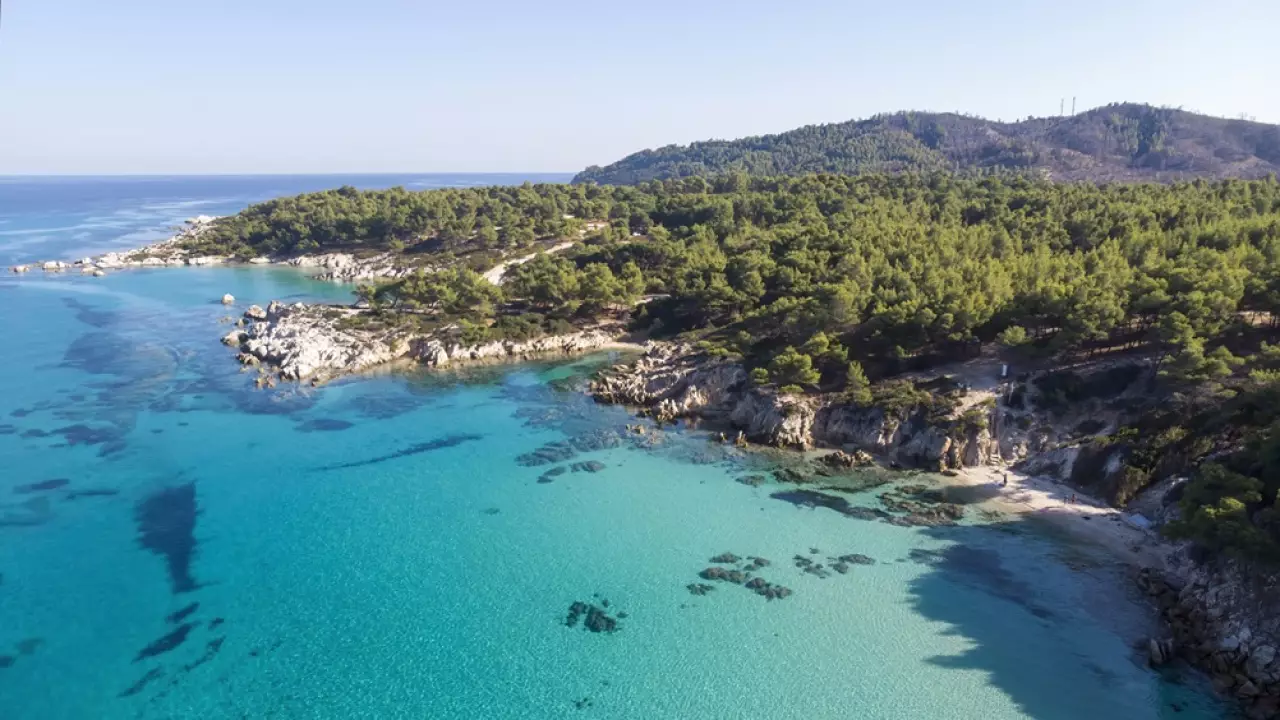
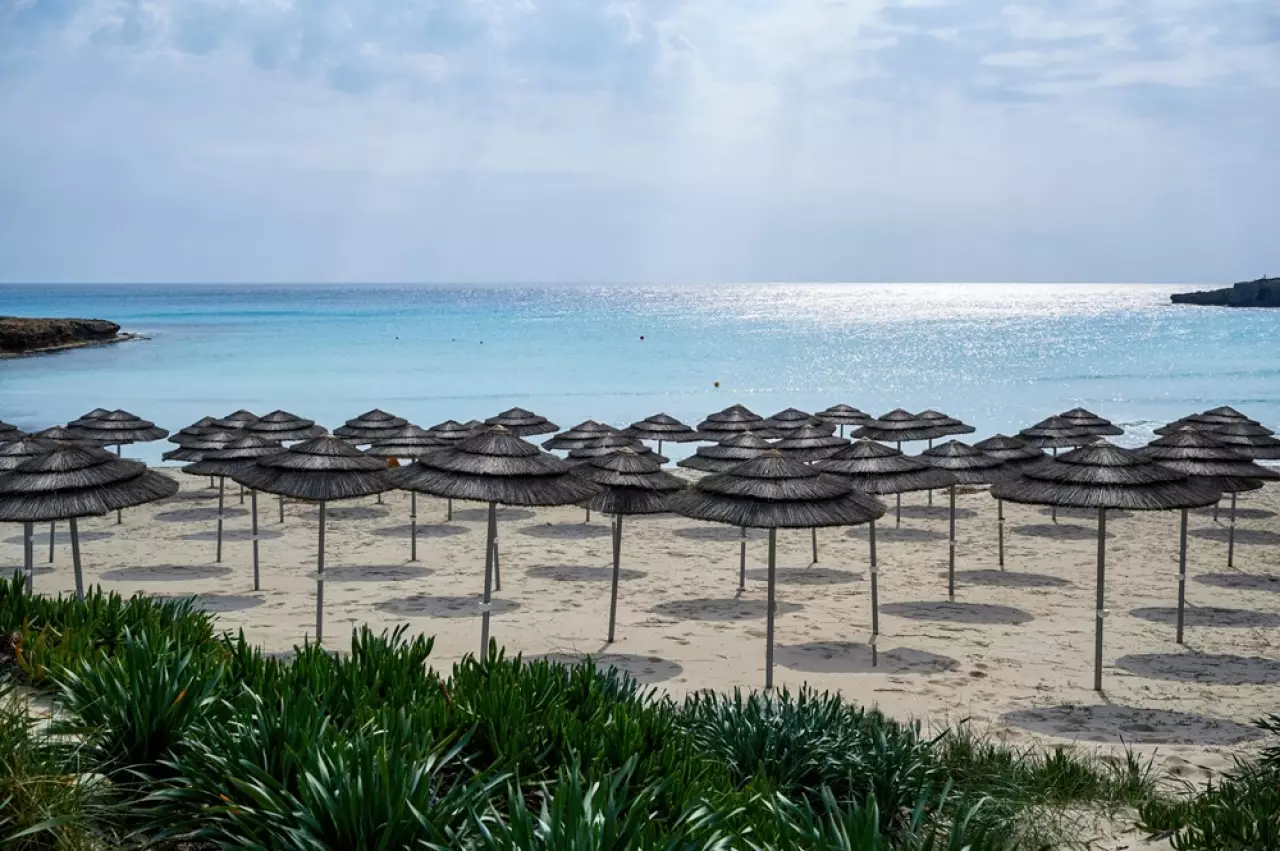
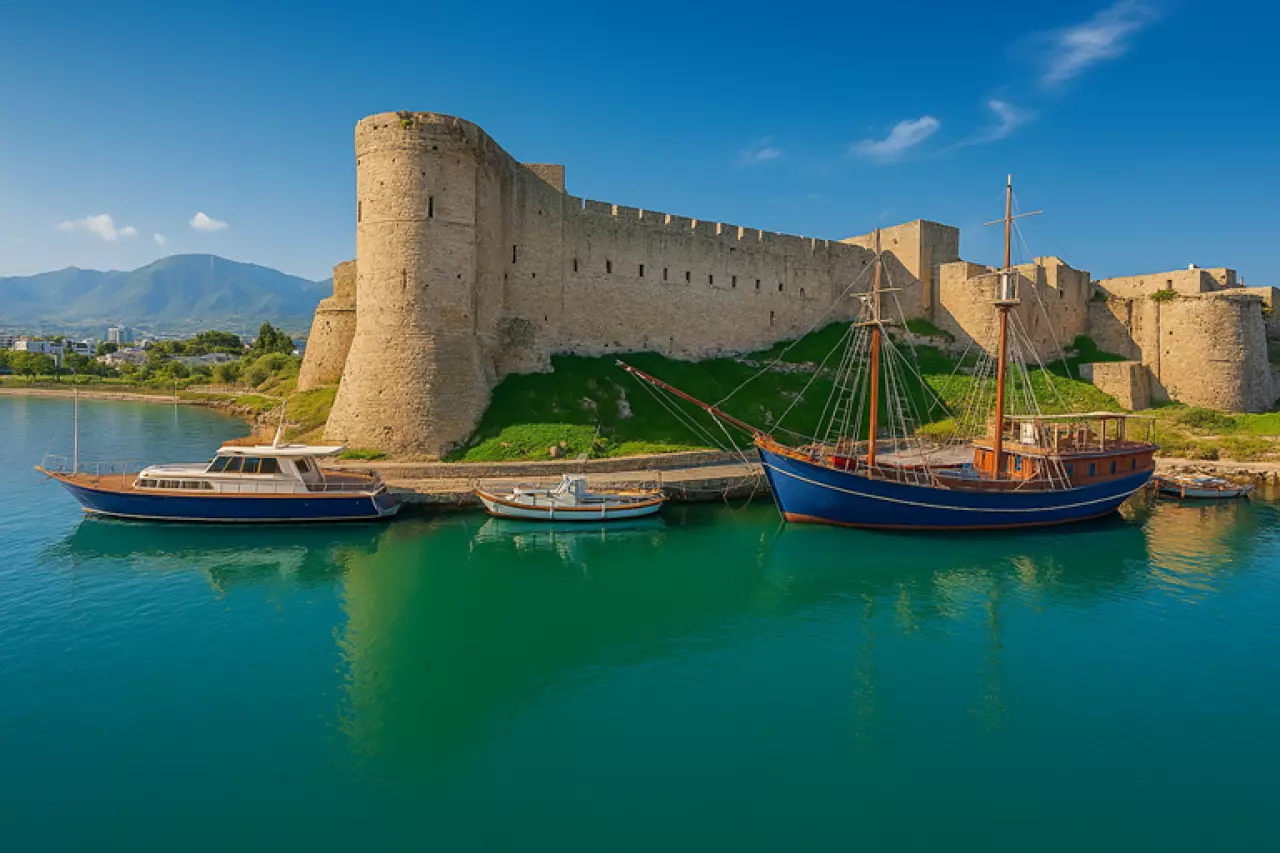
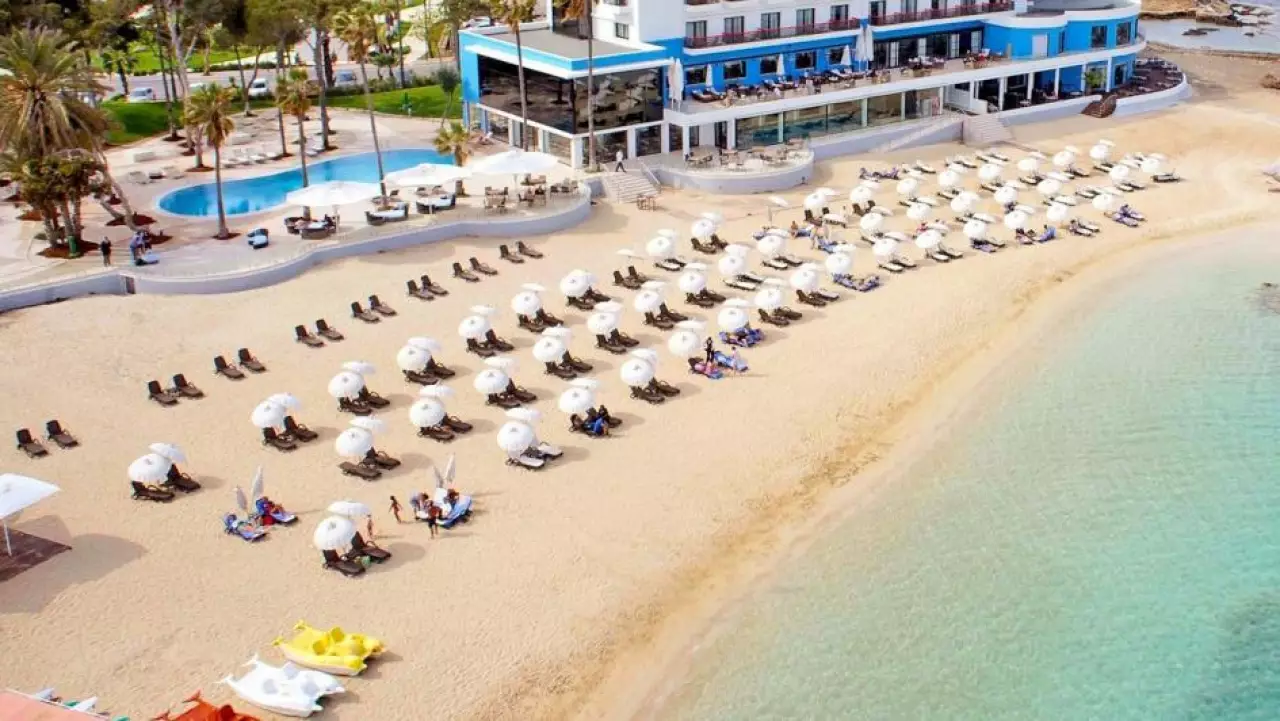
Tourism is the main part of Northern Cyprus's economy. People come to see its beautiful beaches, historic sites, and Mediterranean climate. A lot of people work in the tourism industry, and it brings in a lot of money. Kyrenia, Famagusta, and the Karpas Peninsula are popular places to visit because they have beautiful scenery, old ruins, and cultural festivals.
Most of the tourists who come to Northern Cyprus are from Turkey, the UK, and Germany, but people from other European countries also come. But because the TRNC is not recognised, international flights have to go through Turkey, which could keep some tourists from coming. Even with these problems, the tourism industry is still strong. Hotels, casinos, and infrastructure are still being built to bring in more tourists.
College and University
The economy relies more and more on the higher education sector, which makes a big difference in GDP. There are a number of well-known universities in Northern Cyprus, such as Eastern Mediterranean University, Near East University, and Cyprus International University. Students from all over the world, especially Turkey, the Middle East, and Africa, come to these schools. Education is one of the country's main exports.
The education sector makes money from tuition, but it also helps local businesses like housing, retail, and hospitality by meeting the needs of students and faculty. The government has supported this sector because it can create jobs and make the economy more diverse.
Building and Real Estate
Tourism, foreign investment, and the need for student housing have all helped real estate and construction grow a lot in the last few years. Foreign buyers, especially those from the UK, Turkey, and Russia, are interested in real estate in Northern Cyprus because property prices are lower there than in southern Cyprus and other Mediterranean destinations. Investing in real estate, like homes, vacation homes, and commercial buildings, has helped the economy grow.
But the real estate market in Northern Cyprus has problems with property ownership disputes that go back to the island's division in 1974. The political situation is still up in the air, and there are legal uncertainties about disputed properties, especially for foreign buyers. However, rules have been put in place to lessen these risks.
Farming
Agriculture is a smaller part of the economy, but it is still important for rural areas. Citrus fruits, olives, grapes, and potatoes are some of the most important crops. In Northern Cyprus, people also raise livestock, especially sheep and goats. This helps make traditional dairy products like halloumi cheese. Water shortages limit agriculture, but it helps keep people fed and provides raw materials for small businesses.
To boost productivity, steps have been taken to modernise farming methods, improve irrigation, and help farmers in rural areas. Turkey also helps Northern Cyprus improve its farming skills, which helps keep this industry going even when there are natural disasters like drought.
3. Trade and Relationships with Other Countries
Because Northern Cyprus is not recognised by other countries, it can't trade directly with many of them. This makes it harder for them to trade. Turkey is by far Northern Cyprus's biggest trading partner. It sends most of the goods that Northern Cyprus buys and gets most of the goods that Northern Cyprus sells. Northern Cyprus sends out textiles, dairy products, and citrus fruits. It also brings in fuel, machinery, food, and other goods.
The European Union doesn't see Northern Cyprus as a separate country, but there is some trade with it under special rules, like the "Green Line Regulation," which lets goods move between Northern Cyprus and the EU through South Cyprus. But this trade is still small compared to the amount of trade with Turkey.
4. Money and the Financial System
The Turkish lira is the official currency of Northern Cyprus. This means that Turkey's monetary policy and inflation rates have a direct effect on the economy of Northern Cyprus. When inflation is high in Turkey, it often has an effect on Northern Cyprus, which makes it difficult to keep prices stable and buying power high. Changes in currency values can make living expenses go up and make prices for tourism and real estate less certain, especially since many foreign transactions are done in euros or British pounds.
Northern Cyprus has its own banking system, which is small but stable. Local banks offer regular banking services, but because of the political situation, it's hard to get to international banks. Turkish banks are very important because they help people and tourists with their finances and make it easier for them to do business.
5. Jobs and the Workforce
Most people who work in Northern Cyprus work in the service industry, especially in tourism and education. But the economy has a lot of people out of work, especially young people, because there aren't many jobs available. Many skilled workers and recent college graduates look for jobs outside of their home country, often in Turkey or Europe. This leads to a brain drain.
Northern Cyprus depends on workers from other countries, especially Turkey, to do jobs in construction and farming. To help reduce unemployment and make the local economy more skilled, policies have been put in place to encourage local entrepreneurship and vocational training.
6. Help with money from Turkey
Turkey gives Northern Cyprus a lot of financial help, such as covering budget shortfalls, making loans, and putting money into infrastructure projects. This help is very important because Northern Cyprus doesn't have easy access to international markets and banks. Turkey has paid for big projects in transport, water supply, and energy. One of the most important ones is the water pipeline project that brings fresh water from Turkey to Northern Cyprus. This has been very important in solving the island's water shortage problems.
But depending on Turkey for everything makes Northern Cyprus economically dependent, which means that changes in Turkish economic policy and politics can hurt the country. Some critics say that this dependence limits Northern Cyprus's economic independence, but Turkey's support is still important for keeping the economy going.
7. Problems with the economy and what the future holds
Northern Cyprus has a lot of problems, such as not being able to easily get to international markets, high inflation, and relying on Turkey for its economy. Political uncertainty also makes it harder for foreign investors to put their money into businesses, especially in real estate, where ownership disputes are still going on. Also, not being recognised makes it impossible to use international financial systems, which makes it harder to get loans and foreign investment.
Even with these problems, Northern Cyprus has some good things going for it and room to grow, especially in tourism, education, and real estate. Investing in renewable energy and modernising farming are two ways to diversify the economy that could help make economic growth more stable. Better relations with the European Union and more trade under the Green Line Regulation could also help people get into more markets.
In short, Northern Cyprus's economy is strong enough to handle problems that are unique to it. Even though its political situation limits some opportunities, Turkey's strategic support and growth in key areas like tourism and education offer chances for steady economic growth. Northern Cyprus's economy could get even stronger if it works to get more foreign investment and diversify its economy. This would make it more stable and less reliant on outside help.